Sisense comes first here, mainly for embedding analytics into supply chain apps. Listed starting prices: Tableau from $15 per user a month. Looker fits governed metrics with embedded analytics; Tableau fits visual exploration of supply chain data. All 6 tools are compared below on price, free plan and limits.
If you are comparing BI software for supply chain analysts, this page covers 6 tools in one place: what each is best for, what it costs to start, whether it has a free plan, and the main limit to know about.
Key takeaways
Sisense takes the first slot, best suited to embedding analytics into supply chain apps.
Qlik Sense fits associative exploration with data integration.
Tableau stands alone as the one tool in this list with a free plan.
Before buying Sisense, weigh this: embedded focus may not suit standalone BI.
The cheapest monthly starting price in the list is $15 per user per month, offered by Tableau.
Best for: Embedding analytics into supply chain apps
Sisense is designed for embedding analytics into supply chain apps. Integration work also calls for development resources.
Where it is weaker: Needs development resources for integration.
Where Sisense stands out: Aimed at analytics inside products.
More specifically, the embedded orientation means standalone analysis may feel secondary compared to dedicated BI suites. Sisense does not show a starting price in this comparison, so check the vendor site for current pricing. Trial and free access: Free trial.
Best for: Governed metrics with embedded analytics
For governed metrics with embedded analytics, Looker is a natural candidate. Looker is Google Cloud's business intelligence and embedded analytics product.
It suits organizations that want governed metrics and analytics embedded into operational applications instead of standalone dashboards. No starting price is listed for Looker here; confirm pricing on the vendor site. Trial and free access: Not stated.
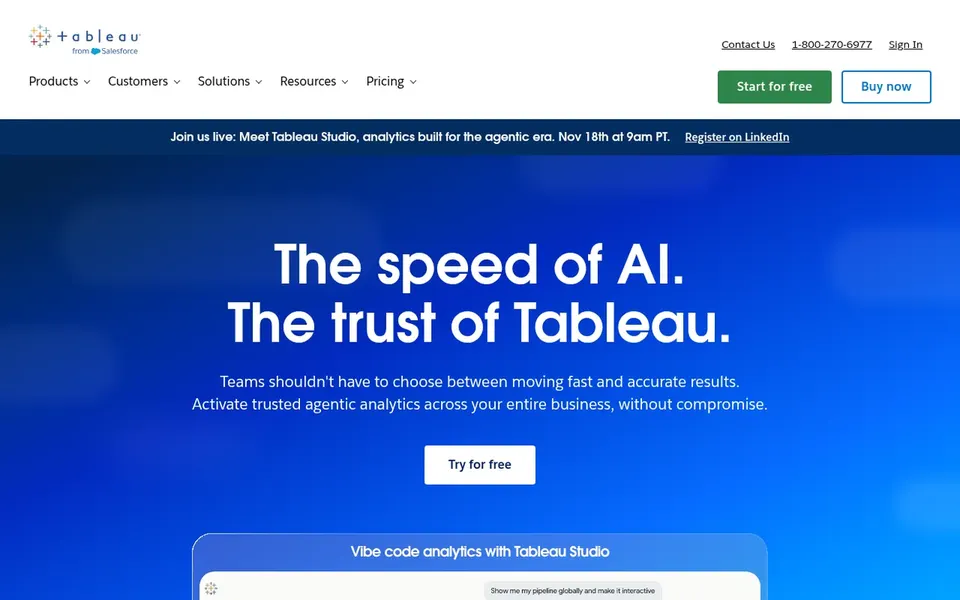
Pick Tableau if this describes you: visual exploration of supply chain data. Tableau is a business intelligence and analytics system built around visual analysis. From a buyer's view, analysts link to nearly any database, then drag-and-drop fields to build charts and dashboards without writing code.
Worth adding: if your priority is a governed semantic layer instead of open visual exploration, Looker may be the better fit. Preparing clean, well-modeled data still takes effort before dashboards are trustworthy. Tableau starts at: $15 per user per month. You can start on Tableau without paying.
Watch-outs: Complicated models can need careful setup.
Best for: Governed data pipelines for AI and insight
Domo works best for governed data pipelines for AI and insight. Teams seeking only chart building may find the scope bigger than needed. Domo presents itself around governed data for AI agents, with products spanning the data journey.
What to check first: Wide product scope needs coordination.
In practice, Tableau or Qlik Sense may be more straightforward starting points for pure visualization work. On top of that, since Domo spans data movement, preparation and insight delivery, coordinating roles and governance takes deliberate effort. On top of that, for supply chain work, that means pulling together inventory, transportation and supplier feeds before analysis. No starting price is listed for Domo here; confirm pricing on the vendor site. Free options: Free trial.
Best for: Enterprise reporting with advanced analytics
Oracle Analytics Cloud is a good fit for enterprise reporting with advanced analytics. Oracle Analytics Cloud is described as a thorough analytics option that merges self-service discovery with enterprise reporting and advanced analytics. It also spans predictive capabilities for uncovering hidden data insights.
Trade-offs to know: Feature breadth can complicate administration.
In daily use, analysts wanting a lighter visual-first tool may prefer Tableau, whereas embedded use cases may point to Sisense. Value is strongest where Oracle data systems are already in place. Oracle Analytics Cloud shows no starting price here, so confirm the cost on the vendor site. Free plan details: Not stated.
Best for: Associative exploration with data integration
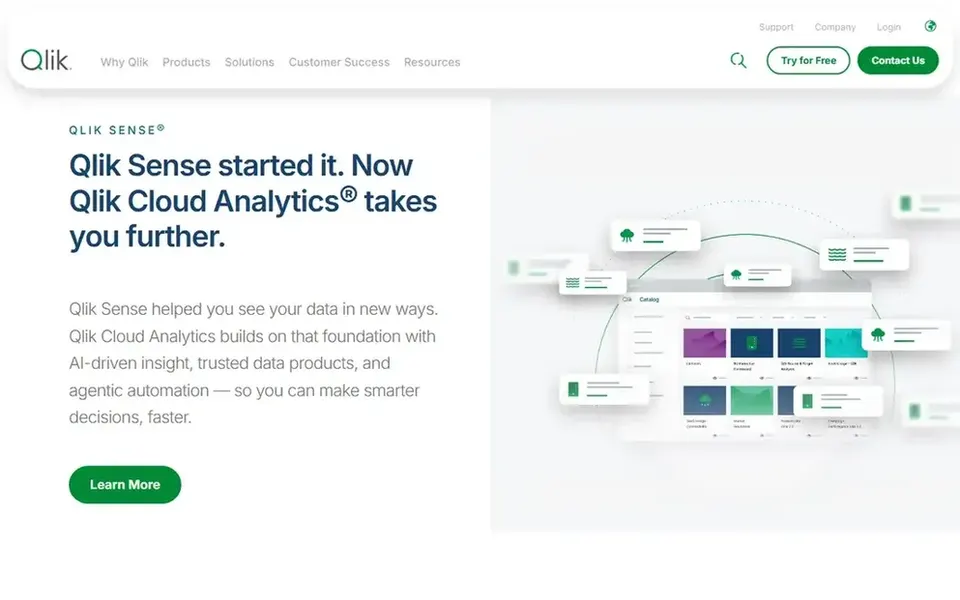
Qlik Sense targets associative exploration with data integration. It fits teams that want analytics and data preparation capabilities from a single vendor and are willing to invest in learning the model.
Check the vendor site for Qlik Sense pricing; none is listed in this comparison. Free options: Not stated.
Trade-offs to know: Breadth of suite can overwhelm newcomers.
Get a written quote from Sisense, Looker, Domo and others; the list shows no starting price for them.
Test the free plan from Tableau against your real workload before relying on it.
Run a trial of Sisense and Domo with real work before paying for a year; your own workflow is the best test.
Read the limits listed for Sisense first: embedded focus may not suit standalone BI.
See whether Tableau offers onboarding or training, and whether it is included in the price.
Before you load data into Oracle Analytics Cloud, check what an export looks like and who can run it.
How we picked
Ainotely used vendor pricing pages and product documentation as the base, then compared plans, free access and documented limits for 6 tools. Where a price is missing, the vendor does not list one publicly or ties it to a quote. Always confirm before budgeting. Position on the page reflects fit for a typical buyer first, with price clarity and free access breaking ties. Treat it as a guide, not a ruling. Keep it in mind while reading the 6 BI software for supply chain analysts profiles on this page.
Every price and plan detail on this page comes from the vendors’ own websites. We did not run hands-on tests unless the text says so, and we do not publish star ratings or review scores. See how we score and our disclosure.
Keep your shortlist in one place
Paste prices, trial dates and notes from this guide into Ainotely, our AI note app. It files them into a topic and pulls out tasks like “cancel trial by Friday”. Free 7-day trial, no card needed.
What is the cheapest option for BI software for supply chain analysts in this list?
On published monthly entry prices, Tableau is the lowest here at $15 per user per month. Entry price is only part of the cost, because seats, add-ons and billing terms can change the total. Pricing, free plan details and limits for all 6 tools in this BI software for supply chain analysts roundup sit on the individual cards above.
When should supply chain teams choose embedded analytics?
Sisense focuses on embedded delivery with pro-code, low-code and no-code choices, whereas Looker pairs embedding with a governed semantic layer. Standalone dashboard needs may be better served by Tableau or Qlik Sense.
Is Sisense the right pick for everyone comparing BI software for supply chain analysts?
No single tool suits every team. Sisense comes first because it fits embedding analytics into supply chain apps, while Looker suits governed metrics with embedded analytics and Tableau suits visual exploration of supply chain data. Match the tool to your own size, budget and workflow before deciding.
How are the tools for BI software for supply chain analysts ordered?
Sisense sits first and Qlik Sense last because the order follows typical fit for BI software for supply chain analysts, then price clarity and free access. It is a judgement call, so read each profile for fit and limits.
How important is a semantic layer for supply chain metrics?
Looker centers on a trusted semantic layer with AI agents, which helps when numerous teams consume the same metrics. The tradeoff is upfront modeling work before dashboards go live.
Can I try these tools before paying?
Often, yes. Tableau has a free plan and Sisense and Domo offer a free trial. Use your own data and a real task during the test, and check what the free tier or trial limits before you rely on it. The 6 tool cards above repeat this per product for BI software for supply chain analysts, with the listed price or "pricing on request".