Our first pick is Aqua Security, best for container runtime and AI workload security. Listed starting prices: CrowdStrike Falcon Cloud Security from $7.99 per device per month. Alternatives: Sysdig for Runtime-first cloud threat detection and response, and Microsoft Defender for Cloud for Microsoft-centric multicloud and hybrid security. The remaining 3 options are covered below with prices and limits.
Choosing cloud detection and response cdr software usually comes down to price, fit and limits. This Ainotely guide sets 6 tools side by side on those three points, with the facts kept short and checkable.
Key takeaways
Top of the list is Aqua Security, which targets container runtime and AI workload security.
Orca Security fits Agentless multicloud CNAPP with AI security.
For the cheapest start, look at CrowdStrike Falcon Cloud Security: $7.99 per device per month.
Before buying Sysdig, weigh this: narrower scope than full CNAPP suites.
A permanent free plan is missing from all 6 tools, Aqua Security and Orca Security included; plan for a trial or a premium start.
Best for: Container runtime and AI workload security
Aqua Security targets container runtime and AI workload security. It fits teams running containerized and AI workloads that want detection tied to enforcement, especially those that require policy applied consistently from build through production.
Organizations wanting a single product for every cloud security function should weigh whether a full CNAPP suits better. Aqua Security does not show a starting price in this comparison, so check the vendor site for current pricing. On free options: Not stated.
Trade-offs to know: Specialist focus may not include every cloud posture need.
Best for: Runtime-first cloud threat detection and response
Choose Sysdig for Runtime-first cloud threat detection and response. Sysdig positions cloud security as beginning at runtime, offering live visibility from runtime to development so teams can prioritize critical risks, detect threats immediately and respond with confidence.
Worth adding: teams without runtime instrumentation experience should plan deployment effort carefully. Sysdig shows no starting price here, so confirm the cost on the vendor site. As for free access: Not stated.
Where it falls short: Narrower scope than full CNAPP suites.
Best for: Microsoft-centric multicloud and hybrid security
Pick Microsoft Defender for Cloud if this describes you: Microsoft-centric multicloud and hybrid security. Microsoft Defender for Cloud is a security option and CNAPP that guards cloud-native application development across multicloud and hybrid environments.
Downsides: Cross-cloud depth may trail cloud-neutral specialists.
In practice, if you need vendor-neutral runtime detection as the core requirement, compare dedicated CDR tools before committing. The experience is most cohesive inside Microsoft environments, and teams running heavily non-Microsoft estates may find external products offer deeper cross-cloud coverage. Microsoft Defender for Cloud does not show a starting price in this comparison, so check the vendor site for current pricing. Free options: Not stated.
Best for: Code-to-cloud protection in multicloud estates
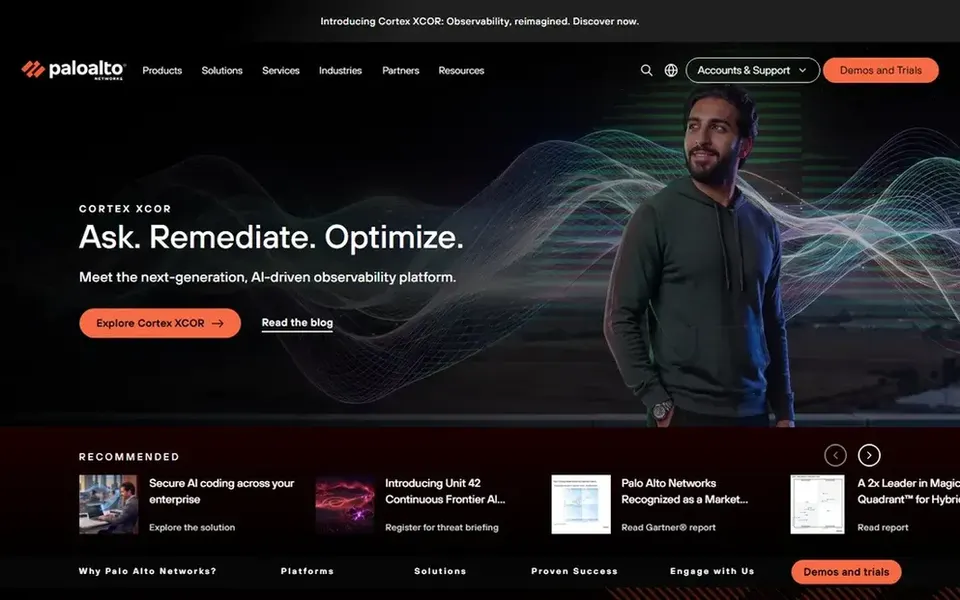
Choose Palo Alto Networks Prisma Cloud for code-to-cloud protection in multicloud estates. Palo Alto Networks Prisma Cloud is described as a complete Cloud Native Application Protection Platform for code to cloud security in any cloud, multicloud and hybrid environment.
It suits enterprises that want application protection and cloud detection under one umbrella, especially those already invested in Palo Alto Networks security tooling and processes. Palo Alto Networks Prisma Cloud does not show a starting price in this comparison, so check the vendor site for current pricing. Free access: Not stated.
The main drawbacks: CNAPP breadth can need significant tuning.
Best for: AI-native protection across cloud and identity
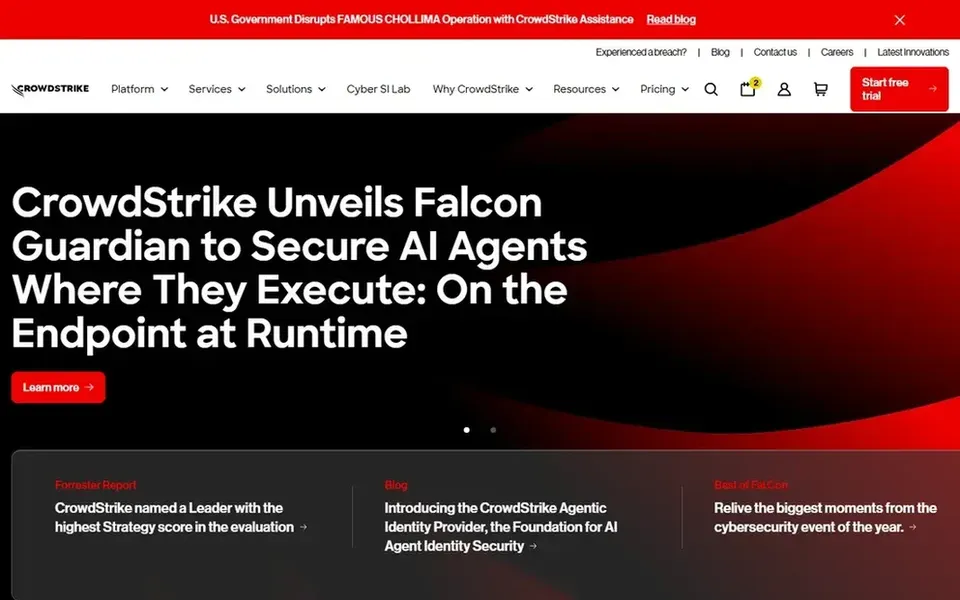
For AI-native protection across cloud and identity, CrowdStrike Falcon Cloud Security is a natural candidate. CrowdStrike Falcon Cloud Security is part of an AI-native cybersecurity product that guards endpoints, cloud workloads, identities and data. Worth adding: since the system spans plenty of security domains, teams with a single narrow CDR requirement may find it broader than needed.
Upsides: Backed by a wide endpoint and threat detection portfolio.
The deepest benefits appear when the wider ecosystem is adopted. In practice, if you chiefly want posture scanning of cloud configuration without a heavy detection focus, a CNAPP-first choice may be more straightforward to evaluate. On cost, CrowdStrike Falcon Cloud Security starts like this: $7.99 per device per month. As for free access: Free trial.
Drawbacks to consider: Full value relies on adopting the wider ecosystem.
Best for: Agentless multicloud CNAPP with AI security
Orca Security is aimed squarely at Agentless multicloud CNAPP with AI security. As with any wide CNAPP, the volume of findings can overwhelm teams without clear prioritization processes, so plan workflows before rollout.
Limits to weigh: System breadth needs prioritization discipline.
Orca Security is an AI-powered cloud security product and CNAPP that secures multicloud environments from build to runtime, with full AI security and workload defense. Orca Security shows no starting price here, so confirm the cost on the vendor site. Free plan details: Not stated.
Confirm the entry price on the vendor page. For Aqua Security, Sysdig, Microsoft Defender for Cloud and others that means a quote rather than a fixed price.
Run a trial of CrowdStrike Falcon Cloud Security with real work before paying for a year; your own workflow is the best test.
Read the limits listed for Aqua Security first: specialist focus may not handle every cloud posture need.
Total up the real monthly cost of Palo Alto Networks Prisma Cloud, including add-ons, extra users and usage-based fees.
Involve the people who will use Microsoft Defender for Cloud daily; a short pilot beats a long feature checklist.
How we picked
Each tool was reviewed on what its vendor publishes: price, plan limits, core features and stated drawbacks. We did not run hands-on tests. Seat minimums, billing terms and add-ons can move the real cost, so the starting prices here are a guide and not a quote. Position on the page reflects fit for a typical buyer first, with price clarity and free access breaking ties. Treat it as a guide, not a ruling. Keep it in mind while reading the 6 cloud detection and response Cdr software profiles on this page.
Every price and plan detail on this page comes from the vendors’ own websites. We did not run hands-on tests unless the text says so, and we do not publish star ratings or review scores. See how we score and our disclosure.
Keep your shortlist in one place
Paste prices, trial dates and notes from this guide into Ainotely, our AI note app. It files them into a topic and pulls out tasks like “cancel trial by Friday”. Free 7-day trial, no card needed.
Ask vendors to walk through how alerts reach your team and how policies are enforced at runtime. Confirm current capabilities straight on vendor sites, since documentation changes often.
Do these tools publish their prices?
Not all of them. Aqua Security, Sysdig, Microsoft Defender for Cloud and others publish no starting price, so expect a quote request for those. The rest, CrowdStrike Falcon Cloud Security included, show a starting price, though seats and billing terms still change the final cost.
What is the cheapest option for cloud detection and response cdr software in this list?
On published monthly entry prices, CrowdStrike Falcon Cloud Security is the lowest here at $7.99 per device per month. Entry price is only part of the cost, because seats, add-ons and billing terms can change the total.
Should I choose an agent-based or agentless approach?
Agentless approaches cut deployment friction and can accelerate coverage across large multicloud estates. Numerous organizations combine both, so confirm how each vendor supports your preferred model.
How are the tools for cloud detection and response cdr software ordered?
Aqua Security sits first and Orca Security last because the order follows typical fit for cloud detection and response cdr software, then price clarity and free access. It is a judgement call, so read each profile for fit and limits.
What does cloud detection and response software actually do?
CDR tools monitor cloud activity and running workloads for suspicious behavior, then help teams investigate and respond. The right balance relies on whether detection or prevention is your priority.