Splunk Enterprise Security comes first here, mainly for unified detection, investigation and response. Listed starting prices: CrowdStrike Falcon from $7.99 per device per month. IBM QRadar is the stronger choice for SIEM-driven threat insight, while Swimlane Turbine suits agentic AI security automation. The full list of 5 tools follows, with prices and free plan facts.
Short on time? The summary and table above give the quick view of 5 incident response software for remote teams, and the profiles that follow give the detail behind each entry.
Key takeaways
Number one here is Splunk Enterprise Security, a fit for unified detection, investigation and response.
CrowdStrike Falcon has the lowest monthly starting price in this list: $7.99 per device per month.
None of the 5 tools, from Splunk Enterprise Security to Palo Alto Networks Cortex XSOAR, has a free plan, so budget for a subscription or use a trial.
The main caution on IBM QRadar: deployment and tuning need specialist skills.
Palo Alto Networks Cortex XSOAR is the one to check for automatic security operations and orchestration.
Best for: Unified detection, investigation and response
Splunk Enterprise Security targets unified detection, investigation and response. Splunk Enterprise Security is a unified threat detection, investigation and response system that brings together SIEM, SOAR, UEBA and agentic AI, based on the vendor.
Where it is weaker: Full product needs significant operational maturity.
It suits remote security teams that want detection and response in one place and need analysts across locations to work from shared searches, dashboards and investigations. No starting price is listed for Splunk Enterprise Security here; confirm pricing on the vendor site. Free options: Not stated.
Where it shines: Bundles agentic AI capabilities per the vendor.
IBM QRadar serves SIEM-driven threat insight. Remote teams that centralize log and event analysis can use it as the detection backbone behind distributed incident response, feeding alerts into analyst workflows wherever staff are located.
On top of that, QRadar is primarily a SIEM, so teams needing deep automation may pair it with an orchestration tool. No starting price is listed for IBM QRadar here; confirm pricing on the vendor site. Free plan details: Not stated.
Downsides: Deployment and tuning require specialist skills.
In short, Swimlane Turbine is for agentic AI security automation. Swimlane Turbine is a security automation system that pairs agentic AI with automation across security functions, from custom detections for AI threats to agentic investigation and response, per the vendor.
In practice, teams that require endpoint protection first, or a full SIEM, should weigh CrowdStrike Falcon or Splunk Enterprise Security alongside it. Swimlane Turbine shows no starting price here, so confirm the cost on the vendor site. Trial and free access: Not stated.
What to check first: Automation design needs up-front process mapping.
Best for: Cloud-native endpoint detection and response
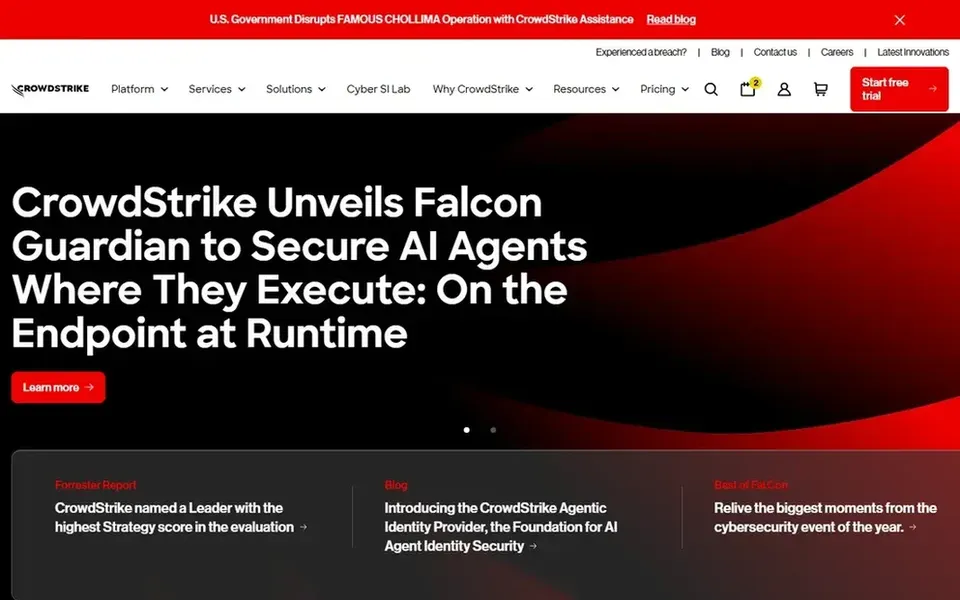
CrowdStrike Falcon is built with cloud-native endpoint detection and response in mind. For remote teams, the cloud-delivered model means laptops and home-office devices can be managed and investigated without on-site infrastructure, which suits security operations centers that are themselves distributed.
Trade-offs to know: Wide system can take time to tune.
Beyond that, CrowdStrike Falcon is a cloud-native cybersecurity product that guards endpoints, cloud workloads, identities and data, positioned by the vendor as AI-native breach prevention. Starting cost for CrowdStrike Falcon: $7.99 per device per month. As for free access: Free trial.
Best for: Automatic security operations and orchestration
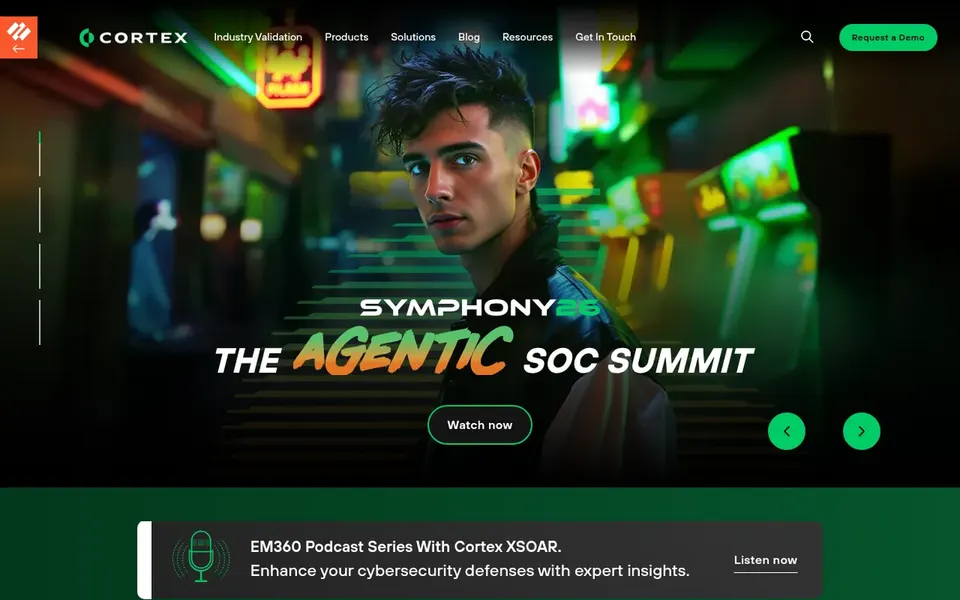
For automatic security operations and orchestration, Palo Alto Networks Cortex XSOAR is a natural candidate. Palo Alto Networks Cortex XSOAR is a security operations platform that brings together incident response, threat intelligence and workflow automation, with the vendor emphasizing SOC efficiency and faster remediation.
As for the details, orchestration products deliver value only when connected to the rest of your stack, so integration effort is a real cost. This comparison lists no price for Palo Alto Networks Cortex XSOAR; ask the vendor. On free options: Not stated.
Where it is weaker: Automation setup needs planning and skilled staff.
Get a written quote from Splunk Enterprise Security, IBM QRadar, Swimlane Turbine and Palo Alto Networks Cortex XSOAR; the list shows no starting price for them.
Use real work to test the free trial from CrowdStrike Falcon, rather than a demo project.
Before choosing Splunk Enterprise Security, weigh its main limit: full system needs significant operational maturity.
Involve the people who will use Splunk Enterprise Security daily; a short pilot beats a long feature checklist.
Check how data leaves Swimlane Turbine: formats, limits and whether exports are available on every plan.
How we picked
The comparison looks at four things: starting price, free access, how well the feature set matches incident response software for remote teams, and the main limit of each tool. Where a vendor does not publish a price, the entry says quote. Where a price depends on seats or billing term, the entry says so. Order on the page follows fit for the typical buyer first, then price transparency and free access. Your own requirements should decide the final pick.
Every price and plan detail on this page comes from the vendors’ own websites. We did not run hands-on tests unless the text says so, and we do not publish star ratings or review scores. See how we score and our disclosure.
Keep your shortlist in one place
Paste prices, trial dates and notes from this guide into Ainotely, our AI note app. It files them into a topic and pulls out tasks like “cancel trial by Friday”. Free 7-day trial, no card needed.
Is Splunk Enterprise Security the right pick for everyone comparing incident response software for remote teams?
No single tool suits every team. Splunk Enterprise Security comes first because it fits unified detection, investigation and response, while IBM QRadar suits SIEM-driven threat insight and Swimlane Turbine suits agentic AI security automation. Match the tool to your own size, budget and workflow before deciding.
How should I evaluate these tools before buying?
Confirm integrations with your existing stack, review deployment and access models for remote staff, and check how automation is configured and maintained. Verify current feature details and licensing straight with each vendor, since offerings change over time.
Does any tool for incident response software for remote teams here have a free plan?
A permanent free plan is not offered by Splunk Enterprise Security, Palo Alto Networks Cortex XSOAR or the other tools here. CrowdStrike Falcon offer a trial. Plan a short evaluation period instead.
What makes incident response software a good match for remote teams?
Remote-ready products are typically cloud-delivered, so distributed endpoints can be monitored and investigated without on-site hardware. Look for centralized consoles, role-based access and automation that keeps analysts aligned across locations and time zones.
Do I need a SIEM for remote incident response?
A SIEM like Splunk Enterprise Security or IBM QRadar centralizes event data and supports detection across distributed systems. It is valuable when you need wide visibility, though smaller teams may start with endpoint protection and add a SIEM as complexity grows.
Can I try these tools before paying?
Often, yes. CrowdStrike Falcon offers a free trial. Use your own data and a real task during the test, and check what the free tier or trial limits before you rely on it. For the full picture, the cards above cover all 5 entries of this incident response software for remote teams list, including price, free plan and limits.