Vanta leads the list, best for compliance automation and security monitoring. Listed starting prices: UpGuard from $1,750 per month, billed yearly. CyberSaint CyberStrong fits measuring and communicating risk posture; Safe Security SAFE One fits autonomous exposure and external risk. Details, prices and limits for the rest of the 6 tools are below.
Short on time? The summary and table above give the quick view of 6 cyber risk quantification tools for startups, and the profiles that follow give the detail behind each entry.
Key takeaways
This list starts with Vanta, which is built for compliance automation and security monitoring.
A permanent free plan is missing from all 6 tools, Vanta and Kovrr included; plan for a trial or a premium start.
For connecting AI signals to governance and action, Kovrr is worth a look.
What to know about Safe Security SAFE One first: wide scope may overwhelm very small teams.
Best for: Compliance automation and security monitoring
Think of Vanta for compliance automation and security monitoring. Vanta automates the complicated and time-consuming process of compliance certification and security monitoring, aiming to get teams ready in weeks rather than months. From a buyer's view, Vanta is built around compliance and monitoring instead of financial risk quantification.
So it will not produce in-depth loss estimates on its own. Startups that require to model financial exposure or optimize security investment should pair it with a dedicated quantification product. Vanta shows no starting price here, so confirm the cost on the vendor site. Trial and free access: Not stated.
Limits to weigh: Quantification depth is restricted.
Best for: Measuring and communicating risk posture
In short, CyberSaint CyberStrong is for measuring and communicating risk posture. The communication angle is handy when risk must be explained consistently across technical and business audiences. The CyberStrong Platform from CyberSaint makes it possible for organizations to assess, measure, remediate, and communicate their cyber risk posture through an automatic approach.
As for the details, the product is framed around enterprise risk programs. So a very small team may find the setup heavier than expected. No starting price is listed for CyberSaint CyberStrong here; confirm pricing on the vendor site. Free plan details: Not stated.
Where it falls short: Enterprise framing may exceed startup needs.
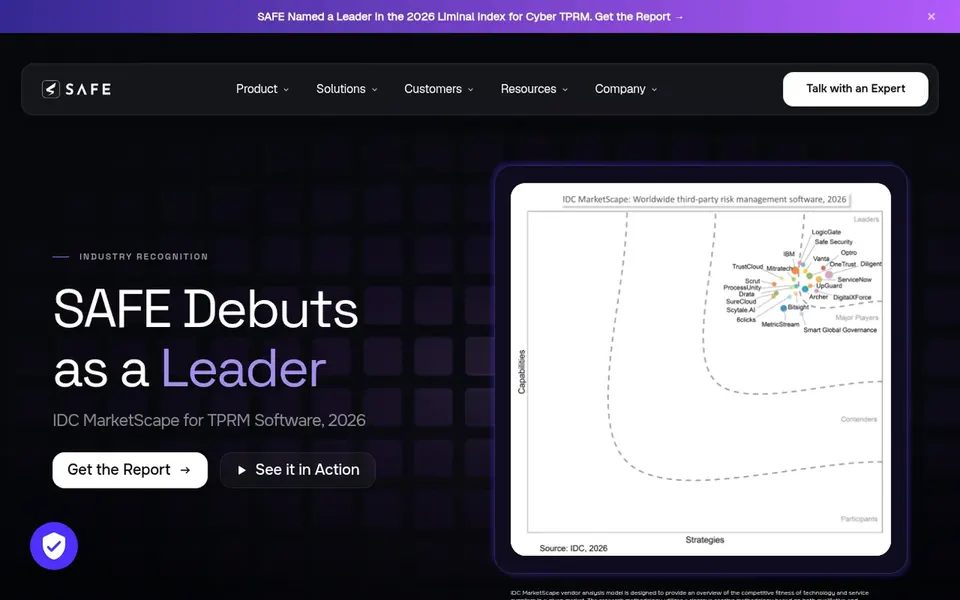
Safe Security SAFE One is built with autonomous exposure and external risk in mind. Safe Security SAFE One is an autonomous cyber risk management product built around AI co-workers.
From a buyer's view, if your priority is straightforward compliance readiness instead of continuous exposure measurement, a compliance-focused tool may be a lighter choice. Pricing for Safe Security SAFE One is not stated here, so ask the vendor for current figures. On free options: Not stated.
Drawbacks to consider: Wide scope may overwhelm very small teams.
Best for: Supply chain and external risk monitoring
Pick SecurityScorecard if this describes you: supply chain and third-party risk monitoring. External monitoring depends on data observed from outside the vendor, so it cannot replace internal assessments for critical partners.
Points against: Less suited to internal control mapping.
SecurityScorecard centres on supply chain and external risk, helping organizations protect their supply chain and run vendor cyber risk through continuous monitoring. Startups seeking to quantify their own internal risk instead of monitor suppliers may prefer a product built around first-party exposure. SecurityScorecard does not show a starting price in this comparison, so check the vendor site for current pricing. As for free access: Free trial.
Best for: Unified vendor, attack surface and workforce risk
UpGuard was built for unified vendor, attack surface and workforce risk. UpGuard describes itself as a cyber risk posture management system that brings together risk management across the vendor supply chain, attack surface, and human workforce.
Teams that only need external monitoring, or only need compliance evidence, may find a narrower tool more straightforward to operate. Covering multiple risk domains means someone must own triage and follow-up, or findings can pile up. The starting price for UpGuard: $1,750 per month, billed annually. On free options: Free trial.
What to check first: Wide scope needs clear ownership.
Best for: Connecting AI signals to governance and action
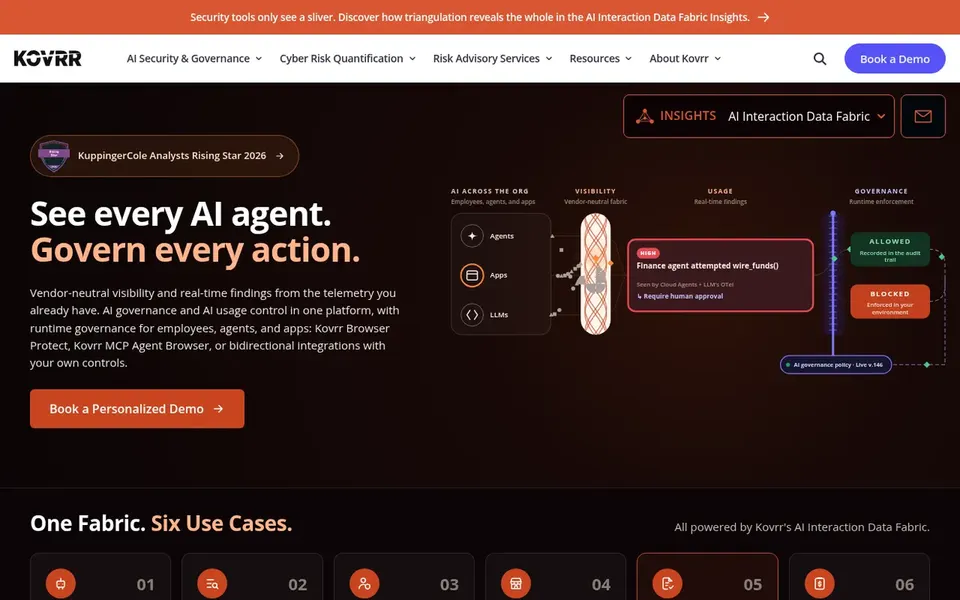
In short, Kovrr is for connecting AI signals to governance and action. Teams adopting AI tools rapidly may find the governance framing handy for board and customer conversations.
In practice, organizations without meaningful AI usage may get more value from a broader exposure or vendor risk product, and signal quality relies on how well the environment is instrumented. No starting price is listed for Kovrr here; confirm pricing on the vendor site. Free plan details: Not stated.
Honest limits: AI-centric scope may not fit every startup.
Ask Vanta, CyberSaint CyberStrong, Safe Security SAFE One and others for a written quote, since no starting price is shown.
Run a trial of SecurityScorecard and UpGuard with real work before paying for a year; your own workflow is the best test.
Before choosing Vanta, weigh its main limit: compliance-first instead of quantification-first.
See whether SecurityScorecard offers onboarding or training, and whether it is included in the price.
Price Vanta for your actual team size; headline prices rarely include add-ons or overage.
How we picked
Selection started from tools commonly considered for cyber risk quantification tools for startups, then narrowed to 6 that have clear pricing information or a clear quote process. Where a price is missing, the vendor does not list one publicly or ties it to a quote. Always confirm before budgeting. Tools are placed by general fit for cyber risk quantification tools for startups, with price clarity and free access as tie-breakers. A different team can reasonably rank them differently.
Every price and plan detail on this page comes from the vendors’ own websites. We did not run hands-on tests unless the text says so, and we do not publish star ratings or review scores. See how we score and our disclosure.
Keep your shortlist in one place
Paste prices, trial dates and notes from this guide into Ainotely, our AI note app. It files them into a topic and pulls out tasks like “cancel trial by Friday”. Free 7-day trial, no card needed.
How are the tools for cyber risk quantification tools for startups ordered?
Vanta sits first and Kovrr last because the order follows typical fit for cyber risk quantification tools for startups, then price clarity and free access. It is a judgement call, so read each profile for fit and limits.
Is Vanta the right pick for everyone comparing cyber risk quantification tools for startups?
No single tool suits every team. Vanta comes first because it fits compliance automation and security monitoring, while CyberSaint CyberStrong suits measuring and communicating risk posture and Safe Security SAFE One suits autonomous exposure and third-party risk. Match the tool to your own size, budget and workflow before deciding.
Can I try these tools before paying?
Often, yes. SecurityScorecard and UpGuard offer a free trial. Use your own data and a real task during the test, and check what the free tier or trial limits before you rely on it.
Does any tool for cyber risk quantification tools for startups here have a free plan?
No tool in this list, Vanta and Kovrr included, has a permanent free plan. SecurityScorecard, UpGuard offer a trial. Trials and quotes are the usual route, so plan a short evaluation period.
Do startups need external risk monitoring?
SecurityScorecard and UpGuard both address supplier risk from different angles. Startups with few critical vendors may defer this until contracts or customer demands need it.