If you need open-source multi-model graph work, OrientDB is the first tool to look at here. Listed starting prices: Neo4j from $0.09 per GB per hour. TigerGraph is better for live AI and analytics on graphs, and Neo4j is better for native graph queries at enterprise scale. All 5 tools are compared below on price, free plan and limits.
This Ainotely guide covers 5 options for graph databases for enterprise. Each profile lists a starting price, free plan details, strengths and drawbacks, so you can drop poor fits quickly.
Key takeaways
The list opens with OrientDB, aimed at open-source multi-model graph work.
Neo4j, Amazon Neptune: these are the 2 tools out of 5 that offer a free plan.
Amazon Neptune suits managed graph workloads on AWS.
OrientDB, TigerGraph, Azure Cosmos DB and Amazon Neptune: pricing is by quote only, so plan time for a sales conversation.
The main caution on OrientDB: smaller ecosystem than major vendors.
OrientDB targets open-source multi-model graph work. Its ecosystem and vendor support are smaller than those of the major cloud providers, so organizations with strict support requirements should evaluate carefully.
For everyday use, teams that require completely managed graph services may be better served by Neptune, Cosmos DB or a dedicated managed graph system. OrientDB shows no starting price here, so confirm the cost on the vendor site. Trial and free access: Not stated.
Where it is weaker: Smaller ecosystem than major vendors.
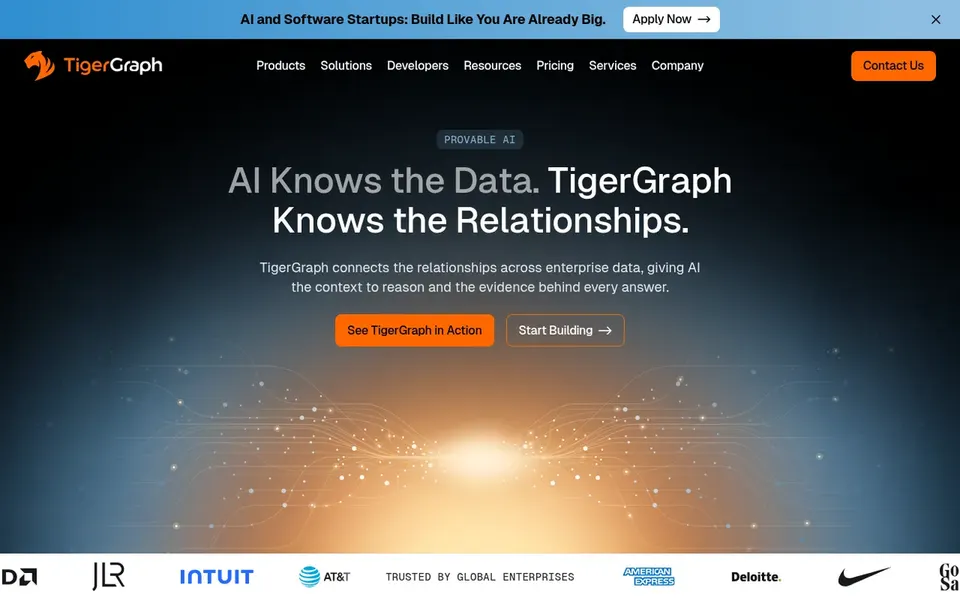
Where TigerGraph fits: live AI and analytics on graphs. TigerGraph is a graph database geared toward live AI and analytics, with vendor messaging around detecting fraud, resolving entities and uncovering hidden connections at enterprise scale.
Its analytics focus means teams with more straightforward transactional graph needs may be paying for capability they will not use. Check the vendor site for TigerGraph pricing; none is listed in this comparison. Trial and free access: Free trial.
Downsides: Best value when analytics is the core need.
Best for: Native graph queries at enterprise scale
Neo4j is a good fit for native graph queries at enterprise scale. If your workloads are largely key-value or document reads with only occasional relationship queries, a general-purpose database may be the more straightforward choice.
Neo4j starts at: $0.09 per GB per hour. Free access exists with Neo4j.
The main drawbacks: Operational care needed for large deployments.
For multi-model NoSQL on Microsoft Azure, Azure Cosmos DB is a natural candidate. Organizations outside the Azure ecosystem will likely find a platform-native choice more straightforward to operate.
In daily use, graph is one model within a broader multi-model system. So teams with graph-first requirements should verify that the documented graph features handle their query complexity. This comparison lists no price for Azure Cosmos DB; ask the vendor. Free options: Not stated.
Honest limits: Needs careful data modeling choices.
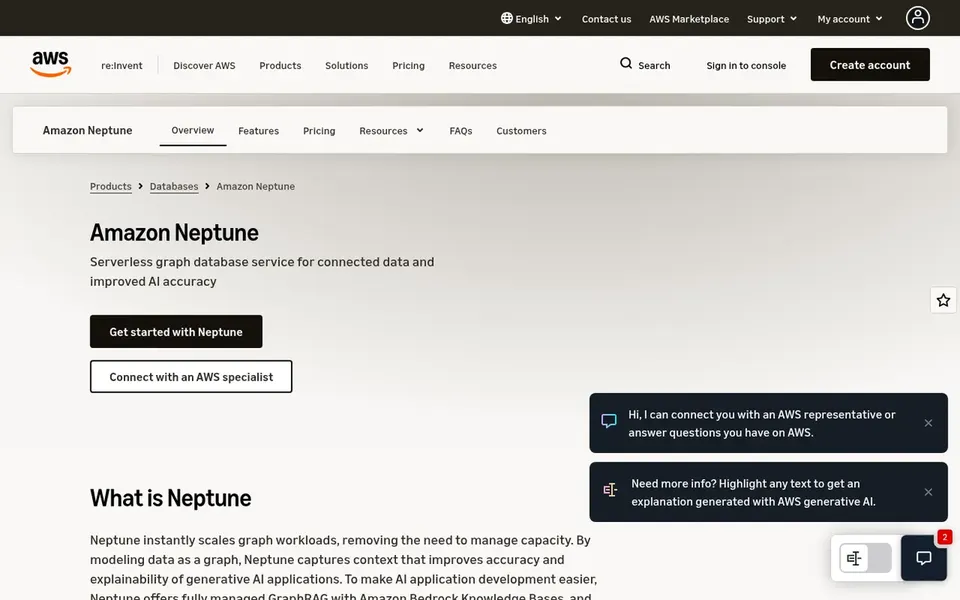
Amazon Neptune makes the most sense for managed graph workloads on AWS. It fits enterprises already standardized on AWS that want graph capability without running their own database infrastructure.
It suits teams that value managed operations over deep product customization. This comparison lists no price for Amazon Neptune; ask the vendor. Amazon Neptune includes a free tier.
Limits to weigh: Tied closely to the AWS ecosystem.
Confirm the entry price on the vendor page. For OrientDB, TigerGraph, Azure Cosmos DB and Amazon Neptune that means a quote rather than a fixed price.
Look at free plan limits closely: Neo4j and Amazon Neptune have one, and the caps decide whether it is usable for real work.
Take the trial from TigerGraph and push a live task through it before you pay.
Before choosing OrientDB, weigh its main limit: smaller ecosystem than major vendors.
Ask Neo4j whether prices are locked for the first term and what happens at renewal.
Make sure OrientDB lets you export your data in a format another tool can read.
How we picked
Each tool was reviewed on what its vendor publishes: price, plan limits, core features and stated drawbacks. We did not run hands-on tests. Treat prices as a snapshot: vendors change plans often, so check the vendor site for the figure that applies today. Tools are placed by general fit for graph databases for enterprise, with price clarity and free access as tie-breakers. A different team can reasonably rank them differently.
Every price and plan detail on this page comes from the vendors’ own websites. We did not run hands-on tests unless the text says so, and we do not publish star ratings or review scores. See how we score and our disclosure.
Keep your shortlist in one place
Paste prices, trial dates and notes from this guide into Ainotely, our AI note app. It files them into a topic and pulls out tasks like “cancel trial by Friday”. Free 7-day trial, no card needed.
Enterprise readiness normally means managed operations or clear operational guidance, high availability choices, documented scaling behavior, security controls and support arrangements. Confirm each of these on the vendor site, since they vary by deployment model and region.
Do these tools publish their prices?
Not all of them. OrientDB, TigerGraph, Azure Cosmos DB and Amazon Neptune publish no starting price, so expect a quote request for those. The rest, Neo4j included, show a starting price, though seats and billing terms still change the final cost.
How do cloud-managed graph services compare with self-managed options?
Self-managed or open-source-oriented choices like OrientDB offer more control but shift operational responsibility to your team, so weigh staffing and support needs.
Is OrientDB the right pick for everyone comparing graph databases for enterprise?
No single tool suits every team. OrientDB comes first because it fits open-source multi-model graph work, while TigerGraph suits real-time AI and analytics on graphs and Neo4j suits native graph queries at enterprise scale. Match the tool to your own size, budget and workflow before deciding.
How are the tools for graph databases for enterprise ordered?
OrientDB sits first and Amazon Neptune last because the order follows typical fit for graph databases for enterprise, then price clarity and free access. It is a judgement call, so read each profile for fit and limits.
Can I try these tools before paying?
Often, yes. Neo4j and Amazon Neptune have a free plan and TigerGraph offers a free trial. Use your own data and a real task during the test, and check what the free tier or trial limits before you rely on it. Each of the 5 options in this graph databases for enterprise guide has its own card above with the price, free plan and limits.