If you need process orchestration across systems, Appian is the first tool to look at here. OutSystems is better for legacy modernization with custom apps, and Oracle APEX is better for Oracle-centric secure app delivery. Details, prices and limits for the rest of the 6 tools are below.
This Ainotely guide covers 6 options for Low-Code mobile app builder software for enterprise. Each profile lists a starting price, free plan details, strengths and drawbacks, so you can drop poor fits quickly.
Key takeaways
Number one here is Appian, a fit for process orchestration across systems.
Only Microsoft Power Apps offers a free plan among these 6 tools.
One limit worth knowing about Mendix: wide scope needs planning.
Every tool from Appian to Pega Platform works by quote, with no list price shown.
Pick Appian if this describes you: process orchestration across systems. The process-first orientation means teams wanting a general-purpose mobile app builder may have to adapt their approach.
Downsides: Process-centric focus may not suit every app.
Where Appian stands out: systems and people.
From a buyer's view, Appian centres on AI-powered process orchestration across the enterprise, automating critical processes by coordinating AI agents, systems and people without replacing existing systems. From a buyer's view, OutSystems or Mendix may be a better match when application delivery, not process automation, is the primary goal. Pricing for Appian is not stated here, so ask the vendor for current figures. Trial and free access: Not stated.
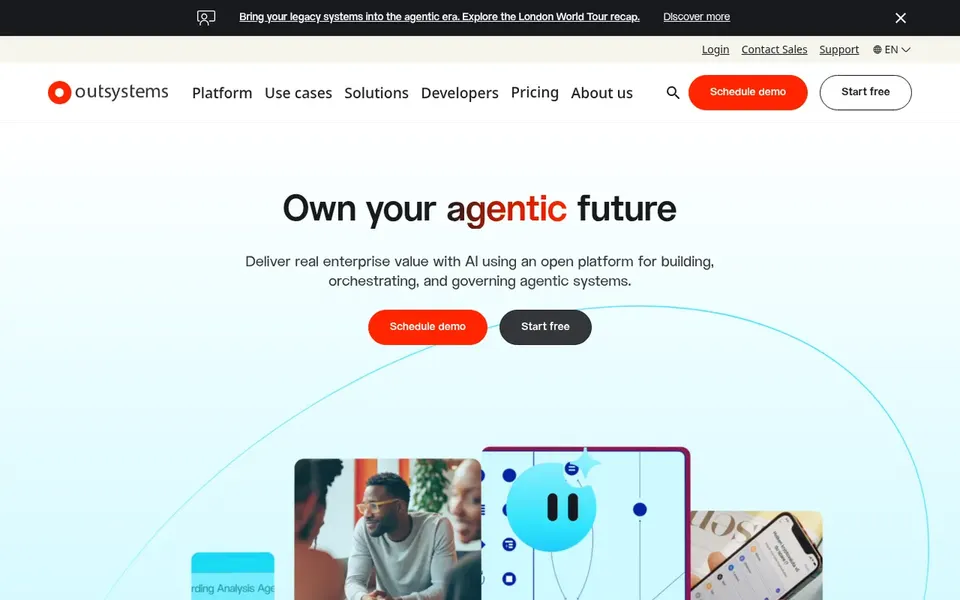
In short, OutSystems is for legacy modernization with custom apps. OutSystems positions itself around building apps and AI agents with confidence, helping enterprises modernize legacy systems and run custom applications that meet customer and regulator demands.
This comparison lists no price for OutSystems; ask the vendor. Free access: Not stated.
Drawbacks to consider: Enterprise scope can be heavy for small teams.
Oracle APEX is aimed squarely at Oracle-centric secure app delivery. Oracle APEX is described as a low-code AI system by Oracle, trusted for building secure and scalable web and mobile applications, with emphasis on solid security and deployment adaptability.
Pricing for Oracle APEX is not stated here, so ask the vendor for current figures. Free plan details: Not stated.
Points against: Best fit assumes Oracle familiarity.
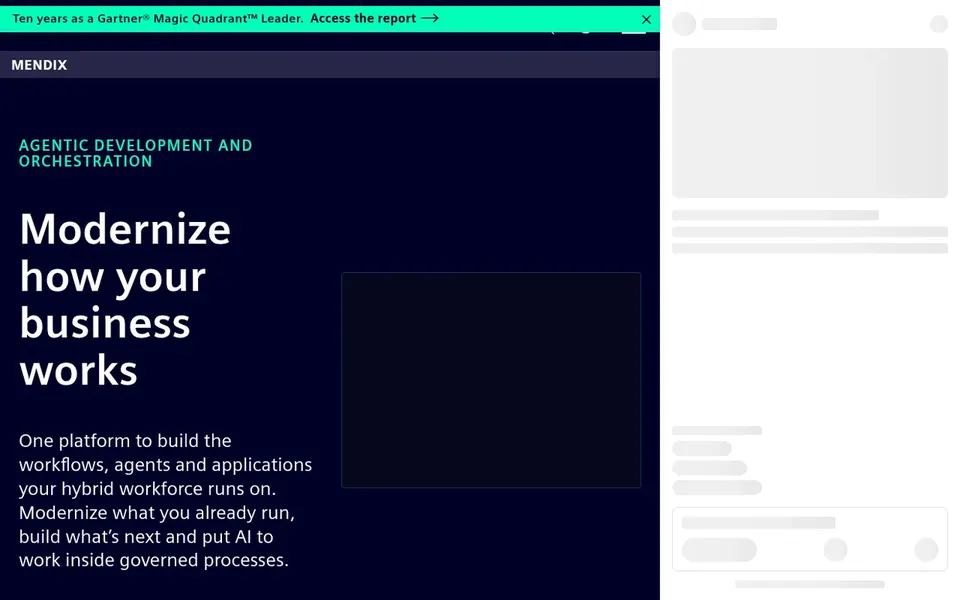
Mendix serves governed workflow and agent building. Since the system spans workflows, agents and applications, teams should scope their first projects carefully to avoid sprawl. Also, OutSystems or Power Apps can be simpler starting points for smaller, contained app goals.
It emphasizes modernizing existing systems whereas building what comes next, and putting AI to work inside governed processes. That makes it a fit for enterprises that want low-code speed without giving up process control and oversight. This comparison lists no price for Mendix; ask the vendor. Free plan details: Not stated.
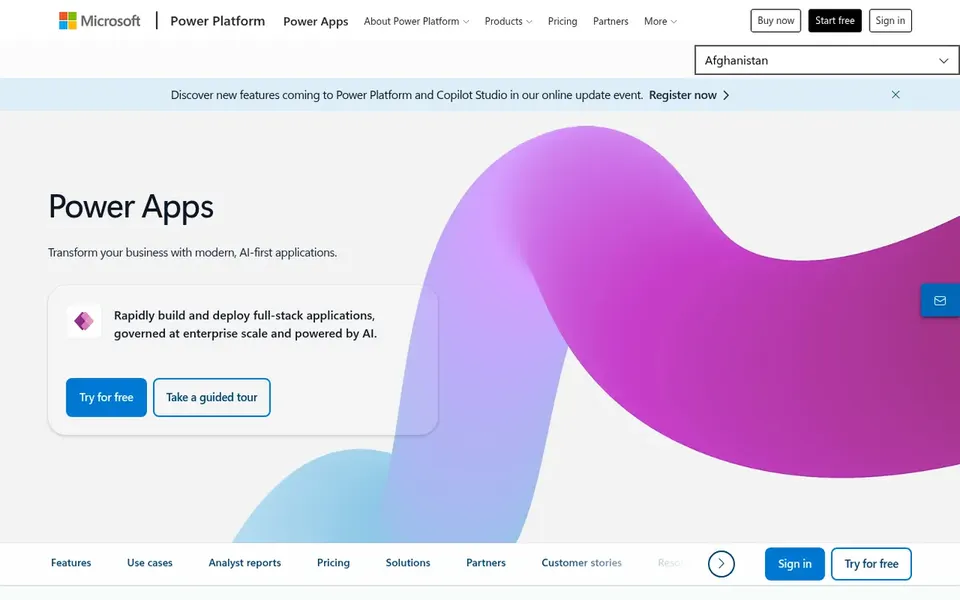
Microsoft Power Apps was built for Microsoft-aligned enterprises. Microsoft Power Apps is a low-code app builder for creating custom business apps that simplify processes and boost productivity across an organization.
For everyday use, consider Mendix or OutSystems when you need deeper architectural control or broader system independence. Complicated or highly customized mobile experiences can also push past low-code limits. No starting price is listed for Microsoft Power Apps here; confirm pricing on the vendor site. Microsoft Power Apps offers a free plan.
What to check first: Deep customization can need additional skills.
Pega Platform is a good fit for workflow automation and modernization. Pega Platform is positioned as an AI-powered product for enterprise transformation, used to reimagine work by automating workflows, personalizing customer experiences and modernizing legacy systems.
Limits to weigh: Workflow focus may not fit every app.
More specifically, the product spans a great deal of ground, so teams should define narrow first use cases to keep delivery focused. Organizations wanting a light mobile app builder may prefer Power Apps or Oracle APEX. This comparison lists no price for Pega Platform; ask the vendor. As for free access: Not stated.
Ask each vendor, from Appian to Pega Platform, for a written quote; none of them publishes a starting price.
Look at the free plan from Microsoft Power Apps closely: its caps decide whether it is usable for real work.
Read the limits listed for Appian first: process-centric focus may not suit every app.
Get the contract term, renewal terms and any onboarding fees from OutSystems in writing.
Check the integration list for Pega Platform against the tools you run today, and note which ones need a higher plan.
How we picked
Selection started from tools commonly considered for Low-Code mobile app builder software for enterprise, then narrowed to 6 that have clear pricing information or a clear quote process. Prices and plan limits come from vendor pages and can change, so confirm them on the vendor site before you buy. The sequence is a judgement call: typical use case first, then pricing transparency, then free access. Use the profiles to check fit.
Every price and plan detail on this page comes from the vendors’ own websites. We did not run hands-on tests unless the text says so, and we do not publish star ratings or review scores. See how we score and our disclosure.
Keep your shortlist in one place
Paste prices, trial dates and notes from this guide into Ainotely, our AI note app. It files them into a topic and pulls out tasks like “cancel trial by Friday”. Free 7-day trial, no card needed.
No. None of the tools, from Appian to Pega Platform, shows a fixed starting price here, so budget time for quotes.
Which enterprise low-code builder is a good match for Microsoft-centric organizations?
For most readers this guide would start with Appian, built for process orchestration across systems. OutSystems is the alternative for legacy modernization with custom apps, and Oracle APEX for Oracle-centric secure app delivery. The right answer depends on budget and workflow.
How do Appian and Pega differ in focus?
Appian centers on orchestrating AI agents, systems and people for critical processes without replacing existing systems. Pega focuses on automating workflows, personalizing customer experiences and modernizing legacy systems as part of broader transformation.
Can I try these tools before paying?
Often, yes. Microsoft Power Apps has a free plan. Use your own data and a real task during the test, and check what the free tier or trial limits before you rely on it. For the full picture, the cards above cover all 6 entries of this Low-Code mobile app builder software for enterprise list, including price, free plan and limits.
How are the tools for Low-Code mobile app builder software for enterprise ordered?
Appian sits first and Pega Platform last because the order follows typical fit for Low-Code mobile app builder software for enterprise, then price clarity and free access. It is a judgement call, so read each profile for fit and limits.
Which options for Low-Code mobile app builder software for enterprise have a free plan?
Microsoft Power Apps is the only tool in this list with a free plan. Free plans usually cap users, projects or features, so check the limits on the vendor page. Pricing, free plan details and limits for all 6 tools in this Low-Code mobile app builder software for enterprise roundup sit on the individual cards above.