Our first pick is Mirantis Kubernetes Engine, best for managed enterprise container orchestration. Look at Rancher for multi-cluster orchestration and operations, and at Amazon EKS for AWS-native teams running conformant Kubernetes. The remaining 2 options are covered below with prices and limits.
Ainotely compared 5 tools for managed Kubernetes software. The goal is a practical shortlist: published prices, free plan facts, best-fit use cases and honest limits for every entry.
Key takeaways
Top of the list is Mirantis Kubernetes Engine, which targets managed enterprise container orchestration.
Azure Kubernetes Service is the one to check for secure containerized apps on Azure.
Mirantis Kubernetes Engine, Azure Kubernetes Service and the 3 others all need a premium plan or a trial, since no free plan is listed.
Before buying Amazon EKS, weigh this: tied closely to AWS tooling.
Mirantis Kubernetes Engine, Azure Kubernetes Service and the 3 others all sell by quote; expect sales conversations before you see a price.
Best for: Managed enterprise container orchestration
For managed enterprise container orchestration, Mirantis Kubernetes Engine is a natural candidate. Mirantis Kubernetes Engine is positioned as managed enterprise container management, with private and managed container orchestration for Kubernetes, Docker and more.
Its enterprise container management scope can be more than a small team needs, and mixed Kubernetes and Docker support means you should map which workloads belong where. Worth adding: if you want a purely Kubernetes-focused managed service, compare EKS, GKE or AKS first. Pricing for Mirantis Kubernetes Engine is not stated here, so ask the vendor for current figures. Free plan details: Not stated.
The main drawbacks: Overlaps with Docker tooling decisions.
Best for: Multi-cluster orchestration and operations
Rancher is designed for multi-cluster orchestration and operations. It suits teams running clusters across multiple providers or on-premises who want one control point for policy, access and cluster lifecycle instead of separate consoles per environment.
Honest limits: Feature depth varies by integration.
What users get: run and secure clusters. Rancher handles clusters but does not remove the have to run and secure the management layer itself, which layers on operational responsibility. Check the vendor site for Rancher pricing; none is listed in this comparison. Trial and free access: Not stated.
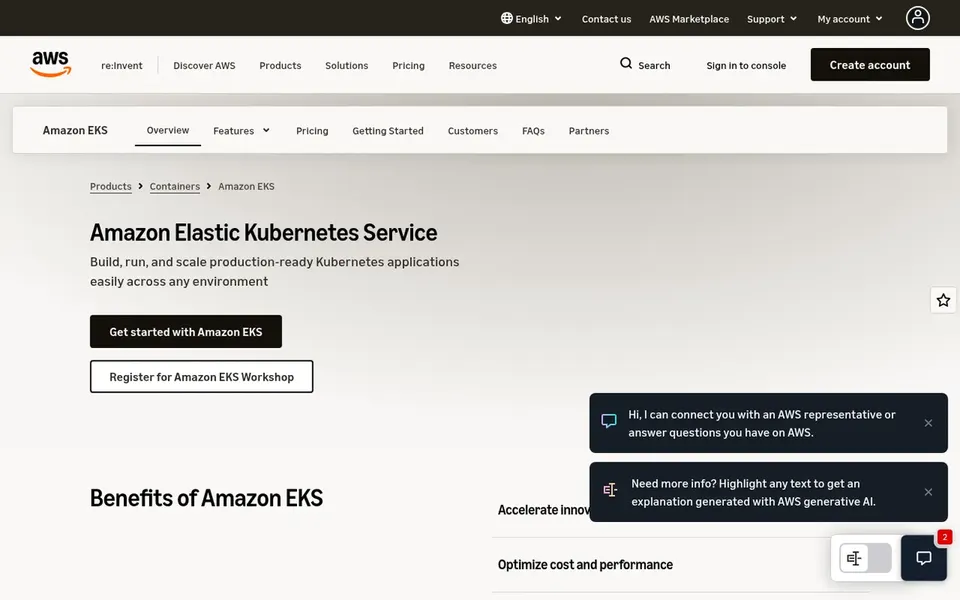
Best for: AWS-native teams running conformant Kubernetes
In short, Amazon EKS is for AWS-native teams running conformant Kubernetes. Teams that want a managed control plane whereas retaining Kubernetes portability across environments.
If you need a neutral multi-cloud control layer instead of a cloud-provider service, look at Rancher or a system like OpenShift instead. Amazon EKS does not show a starting price in this comparison, so check the vendor site for current pricing. As for free access: Not stated.
Where it is weaker: On-premises setup needs additional planning.
Red Hat OpenShift targets application product around Kubernetes. If you only need managed clusters with minimal product overhead, a cloud provider service like EKS, GKE or AKS may be more straightforward to start with.
Honest limits: Heavier footprint than a bare managed service.
Red Hat OpenShift does not show a starting price in this comparison, so check the vendor site for current pricing. Free access: Not stated.
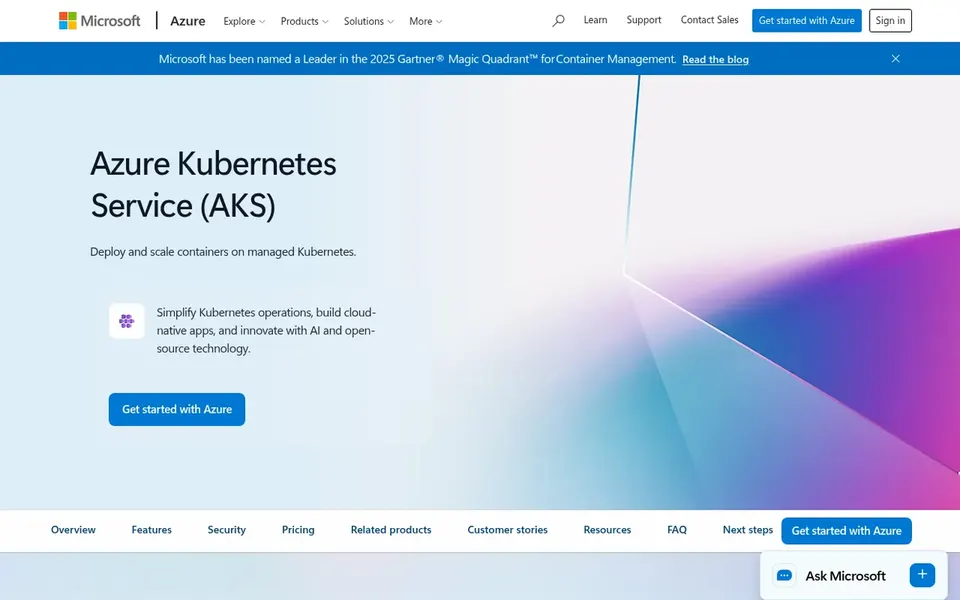
Azure Kubernetes Service serves secure containerized apps on Azure. It suits organizations standardized on Azure that want managed cluster lifecycle whereas keeping the Kubernetes API and ecosystem they already know.
Highlights: Quick delivery of containerized apps.
From a buyer's view, AKS is most comfortable when your identity, networking and monitoring live in Azure, so multi-cloud teams may need additional glue. This comparison lists no price for Azure Kubernetes Service; ask the vendor. Free access: Not stated.
Request quotes from Mirantis Kubernetes Engine, Azure Kubernetes Service and the others; the list shows no fixed prices.
Before choosing Mirantis Kubernetes Engine, weigh its main limit: overlaps with Docker tooling decisions.
Compare total cost, not headline price: for Rancher, add extra seats, add-ons and any usage-based charges.
Get the contract term, renewal terms and any onboarding fees from Amazon EKS in writing.
A short pilot of Mirantis Kubernetes Engine with your real workflow tells you more than a feature table.
How we picked
The comparison looks at four things: starting price, free access, how well the feature set matches managed Kubernetes software, and the main limit of each tool. Prices and plan limits come from vendor pages and can change, so confirm them on the vendor site before you buy. Position on the page reflects fit for a typical buyer first, with price clarity and free access breaking ties. Treat it as a guide, not a ruling.
Every price and plan detail on this page comes from the vendors’ own websites. We did not run hands-on tests unless the text says so, and we do not publish star ratings or review scores. See how we score and our disclosure.
Keep your shortlist in one place
Paste prices, trial dates and notes from this guide into Ainotely, our AI note app. It files them into a topic and pulls out tasks like “cancel trial by Friday”. Free 7-day trial, no card needed.
Does managed Kubernetes remove the need for Kubernetes skills?
No. Managed services cut control plane overhead, but teams still design workloads, configure networking and storage, handle access and monitor clusters. Systems like OpenShift and Mirantis add tooling and support, yet operational understanding of Kubernetes remains important.
Can I try these options before paying?
Not by default. None of the tools, from Mirantis Kubernetes Engine to Azure Kubernetes Service, lists a free plan or a free trial here, so ask each vendor for a demo before committing.
Is Mirantis Kubernetes Engine the right pick for everyone comparing managed Kubernetes software?
No single tool suits every team. Mirantis Kubernetes Engine comes first because it fits managed enterprise container orchestration, while Rancher suits multi-cluster orchestration and operations and Amazon EKS suits AWS-native teams running conformant Kubernetes. Match the tool to your own size, budget and workflow before deciding.
How do I choose between a cloud provider service and a multi-cluster system?
Choose a multi-cluster system for example Rancher or Tanzu Kubernetes Grid when clusters span providers or on-premises infrastructure and you need one operations layer.
Do these tools publish their prices?
No. None of the tools, from Mirantis Kubernetes Engine to Azure Kubernetes Service, shows a fixed starting price here, so budget time for quotes.
Can these products run on-premises plus in the cloud?
Amazon EKS is described as running on AWS and on-premises, Tanzu Kubernetes Grid targets any infrastructure, and OpenShift, Rancher and Mirantis serve private and managed environments. Confirm supported configurations on each vendor site before planning.