Start with Phreesia if you need patient intake and front-desk efficiency. Alternatives: Get Well for personalized digital care journeys, and Oracle Cerner HealtheLife for Oracle Health clinical environments. The other 3 tools in the list cover narrower or pricier cases.
Ainotely compared 6 tools for patient engagement software for enterprise. The goal is a practical shortlist: published prices, free plan facts, best-fit use cases and honest limits for every entry.
Key takeaways
Top of the list is Phreesia, which targets patient intake and front-desk efficiency.
None of the 6 tools, from Phreesia to Klara, has a free plan, so budget for a subscription or use a trial.
A fair warning about Phreesia: primarily intake-focused instead of full portal.
No starting price is shown for any of the 6 tools, Phreesia and Klara included, so plan time for sales calls.
Klara is the one to check for messaging that cuts staff workload.
Best for: Patient intake and front-desk efficiency
Where Phreesia fits: patient intake and front-desk efficiency. Enterprise rollouts across plenty of sites need planning and configuration.
Watch-outs: Primarily intake-focused instead of full portal.
On top of that, Phreesia gives you patient intake software that, based on the vendor, helps healthcare organizations increase revenue, cut no-shows and end front-desk chaos. Pick Phreesia when front-desk friction and intake throughput are the central problems to solve. Check the vendor site for Phreesia pricing; none is listed in this comparison. As for free access: Not stated.
Get Well is built with personalized digital care journeys in mind. Get Well provides the GW RhythmX digital patient engagement product, which the vendor says unites Get Well and RhythmX AI to deliver precision care and engagement across health systems. It emphasizes personalizing each care moment and supporting experience and readmission goals.
In daily use, consider Get Well when personalized, journey-based engagement is the strategic aim instead of entry-level portal access. Results depend heavily on how programs are designed and staffed, so plan governance early. Integration with existing clinical and portal systems needs scoping. Check the vendor site for Get Well pricing; none is listed in this comparison. Free plan details: Not stated.
Where it falls short: Outcome goals rely on program design.
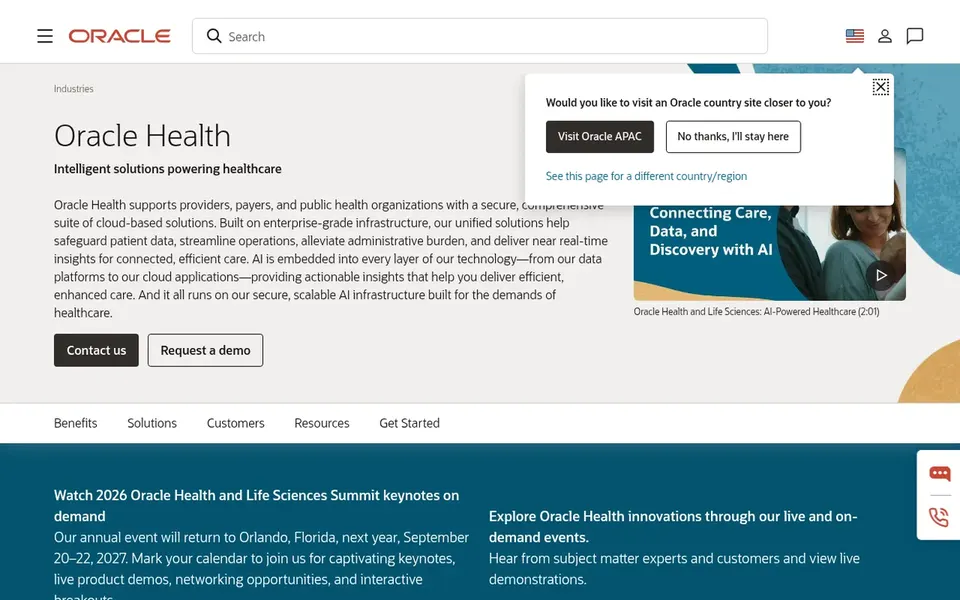
Oracle Cerner HealtheLife targets Oracle Health clinical environments. Oracle Cerner HealtheLife is the patient engagement portal within Oracle Health, which the vendor describes as advancing secure and steady options for better healthcare insights and people-centric experiences.
Watch-outs: Portal scope varies by configuration.
It provides patients access to their health information and communications alongside the clinical product. From a buyer's view, pick HealtheLife when consolidating around Oracle Health is the priority. Oracle Cerner HealtheLife does not show a starting price in this comparison, so check the vendor site for current pricing. As for free access: Not stated.
Best for: CRM-driven outreach and care coordination
Choose Salesforce Health Cloud for CRM-driven outreach and care coordination. Choose it when coordinated outreach and service operations matter more than a traditional portal. On top of that, substantial configuration is needed before it matches healthcare-specific workflows.
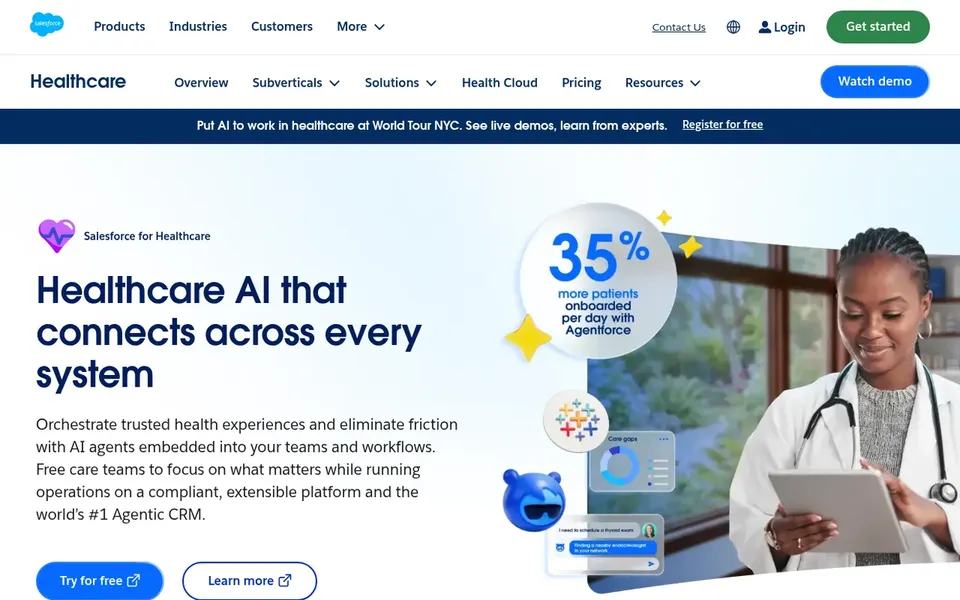
In practice, Salesforce Health Cloud is a healthcare and life sciences system that, per the vendor, helps teams contextualize data, automate processes and synthesize actionable intelligence in live. It supports care coordination, service operations and outreach where a CRM approach suits. It is not a clinical portal, so patient-facing chart access usually comes from another system. Pricing for Salesforce Health Cloud is not stated here, so ask the vendor for current figures. As for free access: Free trial.
Where it falls short: Needs configuration to fit clinical workflows.
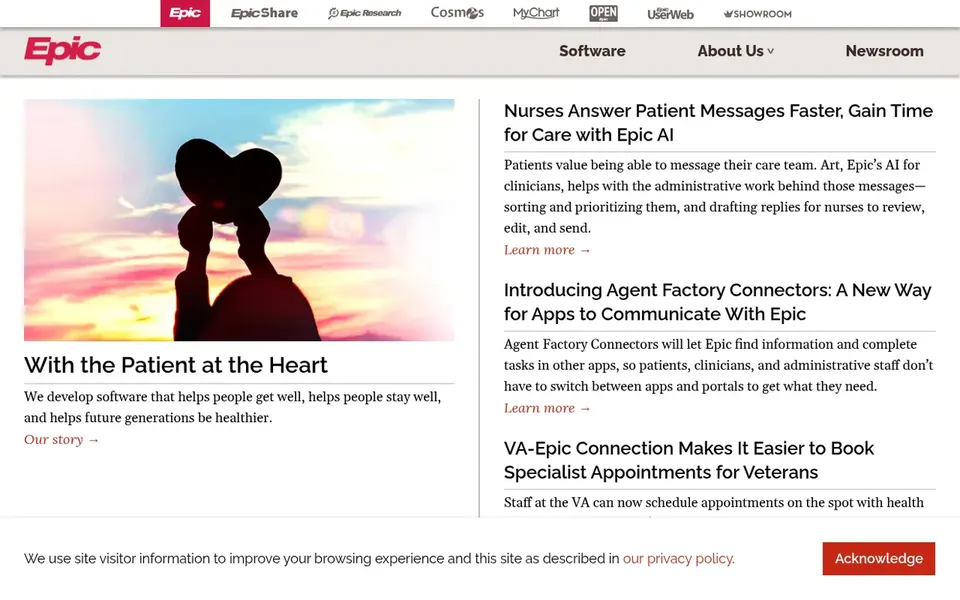
Epic MyChart makes the most sense for Health systems already running Epic. Epic MyChart is the patient-facing portal connected to Epic's clinical software, which the vendor describes as built to help people get well and stay well.
More specifically, teams seeking standalone intake, payment or outreach tooling may prefer a dedicated engagement vendor. Also, consider MyChart when record-level integration matters more than a la carte features. Epic MyChart shows no starting price here, so confirm the cost on the vendor site. Free options: Not stated.
Main advantages: results and scheduling.
What to check first: Configuration and rollout require internal IT effort.
Klara works best for messaging that cuts staff workload. Klara, presented under ModMed patient engagement, concentrates on simplifying patient access and reducing staff workload through messaging, scheduling, digital intake and payment tools. In daily use, the product is positioned around practical workflow relief for front-office and clinical staff.
Also, choose Klara when messaging volume and staff workload are the pressing concerns. More specifically, since capabilities depend on which modules are adopted, scope should be mapped against your priorities first. Check the vendor site for Klara pricing; none is listed in this comparison. Free access: Not stated.
Honest limits: Confirm fit with your existing EHR.
Confirm the entry price with every vendor: no tool from Phreesia to Klara shows a fixed starting price.
Take the trial from Salesforce Health Cloud and push a live task through it before you pay.
Read the limits listed for Phreesia first: primarily intake-focused instead of full portal.
Make sure Salesforce Health Cloud lets you export your data in a format another tool can read.
Ask the daily users to test Epic MyChart on a live task before you roll it out to everyone.
How we picked
Ainotely looked at what each vendor publishes: pricing, plan limits, feature coverage for patient engagement software for enterprise and stated drawbacks. No hands-on testing is claimed. Treat prices as a snapshot: vendors change plans often, so check the vendor site for the figure that applies today. Order on the page follows fit for the typical buyer first, then price transparency and free access. Your own requirements should decide the final pick.
Every price and plan detail on this page comes from the vendors’ own websites. We did not run hands-on tests unless the text says so, and we do not publish star ratings or review scores. See how we score and our disclosure.
Keep your shortlist in one place
Paste prices, trial dates and notes from this guide into Ainotely, our AI note app. It files them into a topic and pulls out tasks like “cancel trial by Friday”. Free 7-day trial, no card needed.
Does any tool for patient engagement software for enterprise here have a free plan?
A permanent free plan is not offered by Phreesia, Klara or the other tools here. Salesforce Health Cloud offer a trial. Plan a short evaluation period instead.
Where does a CRM product fit in patient engagement?
Salesforce Health Cloud supports coordinated outreach and service operations instead of replacing a patient portal. It fits enterprises running campaigns, care coordination or service teams that require shared context.
Is Phreesia the right pick for everyone comparing patient engagement software for enterprise?
No single tool suits every team. Phreesia comes first because it fits patient intake and front-desk efficiency, while Get Well suits personalized digital care journeys and Oracle Cerner HealtheLife suits Oracle Health clinical environments. Match the tool to your own size, budget and workflow before deciding.
How are the tools for patient engagement software for enterprise ordered?
The order follows typical fit for patient engagement software for enterprise, with Phreesia first and Klara last, then price clarity and free access. It is editorial judgement, not a score, so another team could rank the tools differently.
Do these tools publish their prices?
No. None of the tools, from Phreesia to Klara, shows a fixed starting price here, so budget time for quotes.
How do intake-focused tools differ from full engagement suites?
Tools like Phreesia concentrate on registration, forms and front-desk efficiency, whereas suites like Get Well emphasize personalized care journeys. The right choice relies on whether your primary friction is at check-in or across the entire care episode.