Our first pick is Lusha, best for buyer ranking and signal-based outreach. Listed starting prices: Hunter from $34 a month. Hunter fits finding and verifying professional emails; Apollo.io fits data and outreach in one system. Details, prices and limits for the rest of the 5 tools are below.
Choosing account-based data software for small business usually comes down to price, fit and limits. This Ainotely guide sets 5 tools side by side on those three points, with the facts kept short and checkable.
Key takeaways
Lusha takes the first slot, best suited to buyer ranking and signal-based outreach.
Hunter is the only tool of the 5 with a free plan.
Check the limits for Apollo.io before you commit: breadth may take time to learn.
Starting prices begin at $34 per month with Hunter.
Pick Lusha if this describes you: buyer ranking and signal-based outreach. Choose Lusha when prioritization and decision-maker mapping matter more than raw list building. Ranking and signal features rely on having reasonable account data to begin with, so results vary with input quality.
Points against: May be more than straightforward lookup needs.
On top of that, Lusha describes itself as B2B data and intelligence for go-to-market teams and AI agents, ranking likely buyers, mapping who decides and flagging signals to act on. It also notes availability in workspace tools and via API. Small businesses that want help prioritizing which accounts to work first may find that ranking and mapping angle handy, especially when the team is small and time is restricted. Also, a team that only needs to verify addresses may prefer a more straightforward tool. Check the vendor site for Lusha pricing; none is listed in this comparison. On free options: Not stated.
Best for: Finding and verifying professional emails
Hunter makes the most sense for finding and verifying professional emails. Hunter describes itself as an option to find and verify professional email addresses, and it also supports sending cold emails.
For a small business that primarily needs steady contact details for outreach, that focus can be an advantage: less to configure, and a clear job to do when building a first account list or checking addresses before a campaign. Choose it when email discovery and verification are the core need. What you pay to start with Hunter: $34 per month. Hunter has a free plan.
Watch-outs: Not a full GTM product. What users get: narrow use case.
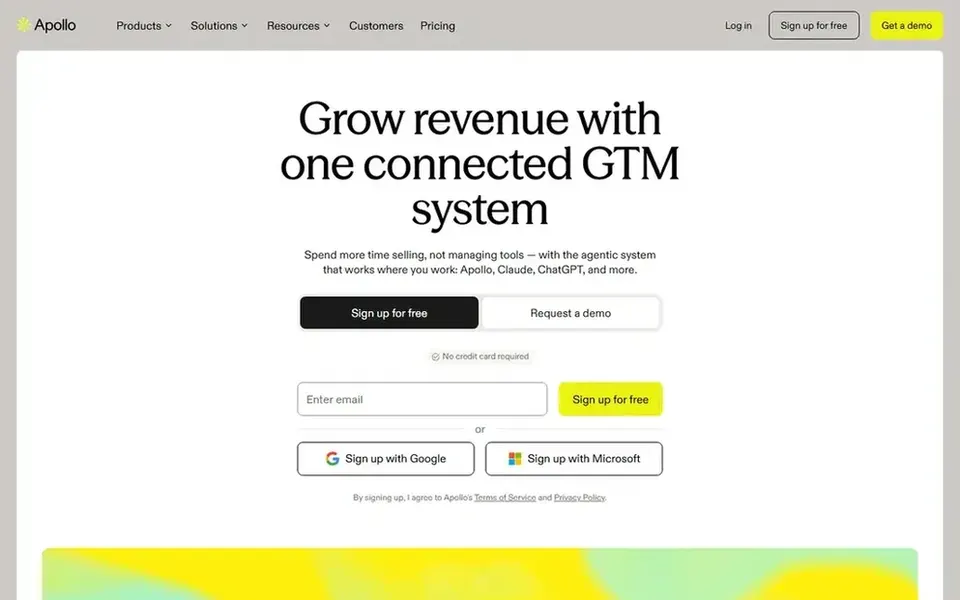
Apollo.io is built with data and outreach in one system in mind. Apollo.io describes itself as an AI sales product rebuilt as one connected go-to-market system, bringing data, intelligence and execution together. In daily use, choose Apollo when prospecting and outreach happen in the same place.
Highlights: Supports prospecting and engagement.
Otherwise a focused data tool may be simpler to run. In practice, for small companies that want to move from account research into outreach without stitching multiple vendors together, that combined approach is appealing. This comparison lists no price for Apollo.io; ask the vendor. Free options: Free trial. Trade-offs to know: Best value when the entire team adopts it.
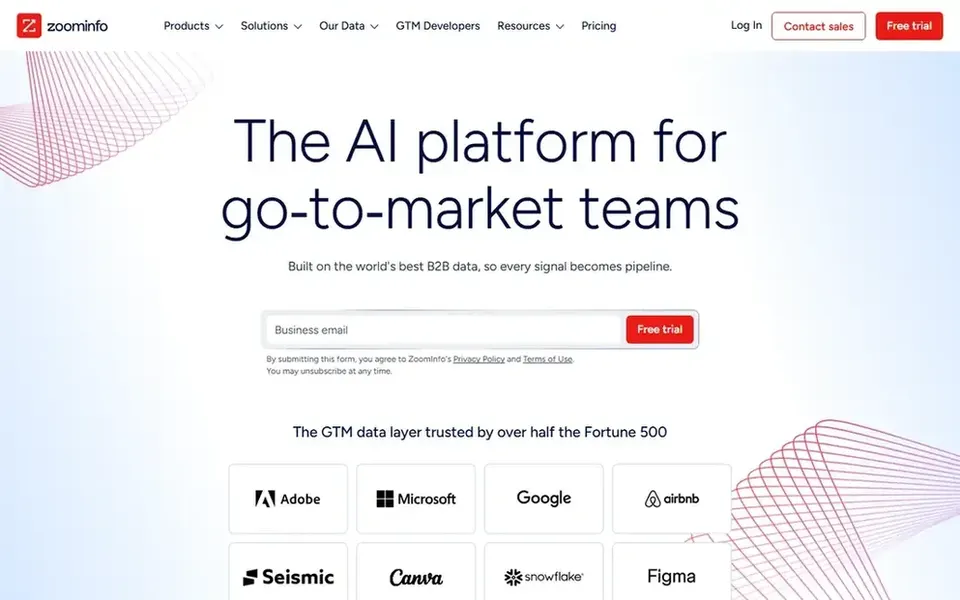
ZoomInfo is a good fit for wide B2B data with ABM tooling. Its homepage flags lead generation, prospecting, market intelligence and account-based marketing software.
Honest limits: Setup can need dedicated admin time.
No starting price is listed for ZoomInfo here; confirm pricing on the vendor site. On free options: Free trial.
LeadIQ is built with prospecting with buying signals in mind. Teams that prospect only occasionally may not use enough of it.
Points against: Value relies on regular prospecting.
Worth adding: pick LeadIQ when outbound is a steady habit and signal-based personalization is part of your approach. No starting price is listed for LeadIQ here; confirm pricing on the vendor site. As for free access: Not stated.
Get a written quote from Lusha, Apollo.io, ZoomInfo and LeadIQ; the list shows no starting price for them.
Look at the free plan from Hunter closely: its caps decide whether it is usable for real work.
Use real work to test the free trial from Apollo.io and ZoomInfo, rather than a demo project.
Before choosing Lusha, weigh its main limit: signal features need clean account data.
Ask ZoomInfo which support channels and response times come with the plan you would buy.
Look at the renewal terms for Apollo.io: auto-renewal, notice periods and price changes can matter more than the first-year price.
How we picked
Each tool was reviewed on what its vendor publishes: price, plan limits, core features and stated drawbacks. We did not run hands-on tests. Figures are shown as the vendors publish them. Billing terms, seat minimums and add-ons can change the real cost. Tools are placed by general fit for account-based data software for small business, with price clarity and free access as tie-breakers. A different team can reasonably rank them differently.
Every price and plan detail on this page comes from the vendors’ own websites. We did not run hands-on tests unless the text says so, and we do not publish star ratings or review scores. See how we score and our disclosure.
Keep your shortlist in one place
Paste prices, trial dates and notes from this guide into Ainotely, our AI note app. It files them into a topic and pulls out tasks like “cancel trial by Friday”. Free 7-day trial, no card needed.
Which options for account-based data software for small business have a free plan?
Hunter is the only tool in this list with a free plan. Free plans usually cap users, projects or features, so check the limits on the vendor page. Several others offer a trial instead. The 5 tool cards above repeat this per product for Account-Based data software for small business, with the listed price or "pricing on request".
How are the tools for account-based data software for small business ordered?
Lusha sits first and LeadIQ last because the order follows typical fit for account-based data software for small business, then price clarity and free access. It is a judgement call, so read each profile for fit and limits.
How can I judge data quality before buying?
Ask for a sample of records matching your ideal accounts and check how numerous are accurate and current. Compliance documentation is also worth reading if you sell across regions.
Is Lusha the right pick for everyone comparing account-based data software for small business?
No single tool suits every team. Lusha comes first because it fits buyer ranking and signal-based outreach, while Hunter suits finding and verifying professional emails and Apollo.io suits data and outreach in one system. Match the tool to your own size, budget and workflow before deciding.
Can I try these tools before paying?
Often, yes. Hunter has a free plan and Apollo.io and ZoomInfo offer a free trial. Use your own data and a real task during the test, and check what the free tier or trial limits before you rely on it. Each of the 5 options in this Account-Based data software for small business guide has its own card above with the price, free plan and limits.
Is a full system or a focused tool better for a small team?
Full systems for example ZoomInfo or Apollo.io suit teams that want data and execution together. Focused tools like Hunter fit when email finding and verification are the central need.